Picture a coated truck sitting in a parking lot in Marion after a rain shower. Water rolls right off the hood, and the paint has that deep, glossy look. It's natural to wonder what a finish like that costs. The tricky part is that a quick search usually gives you a single number with no context.
Here's the honest version. Ceramic coating cost has less to do with the bottle of coating and more to do with the hours of work that happen before the bottle is opened. Vehicle size and the coating you pick play a part too. Two cars that look alike in the driveway can end up at very different prices once someone checks the paint under good light.
At Alpha Autocare, we do this work by hand in our Bucyrus shop for drivers from Marion, Mansfield, and the towns in between. Our background is in collision repair and paint prep, so we look at pricing from the shop floor. Below, we'll go over what raises or lowers the price, where most of your money ends up, and how to set a budget that makes sense for your vehicle. No pressure, no fluff.
Why There's No Single Ceramic Coating Price
Every coating job starts from a different place, so one flat ceramic coating price doesn't really exist.
Think about two SUVs of the same model and color. One is a year old, sits in a garage, and gets washed by hand. The other has spent five Ohio winters soaking up road salt and going through brush car washes. They look like a match on paper, but the second one needs a lot more work.
That's why we look at a vehicle in person before any coating goes on. It isn't a sales tactic. It's the most reliable way to see how much prep the paint needs, and prep is where a big share of the cost comes from.
What Changes Your Ceramic Coating Cost
A handful of factors push the price up or down, and most of them come down to time and labor.
Vehicle Size and Shape
Bigger vehicles take more time and more product. That part is pretty simple.
A compact sedan has far less surface than a crew cab pickup or a full-size van. More panels mean more washing, more decontamination, more polishing, and more coating to apply section by section. Body lines matter as well, since trim, steps, and tight curves take longer to work around than smooth, rounded panels.
The Condition of Your Paint
How your paint looks today has a big say in the final number.
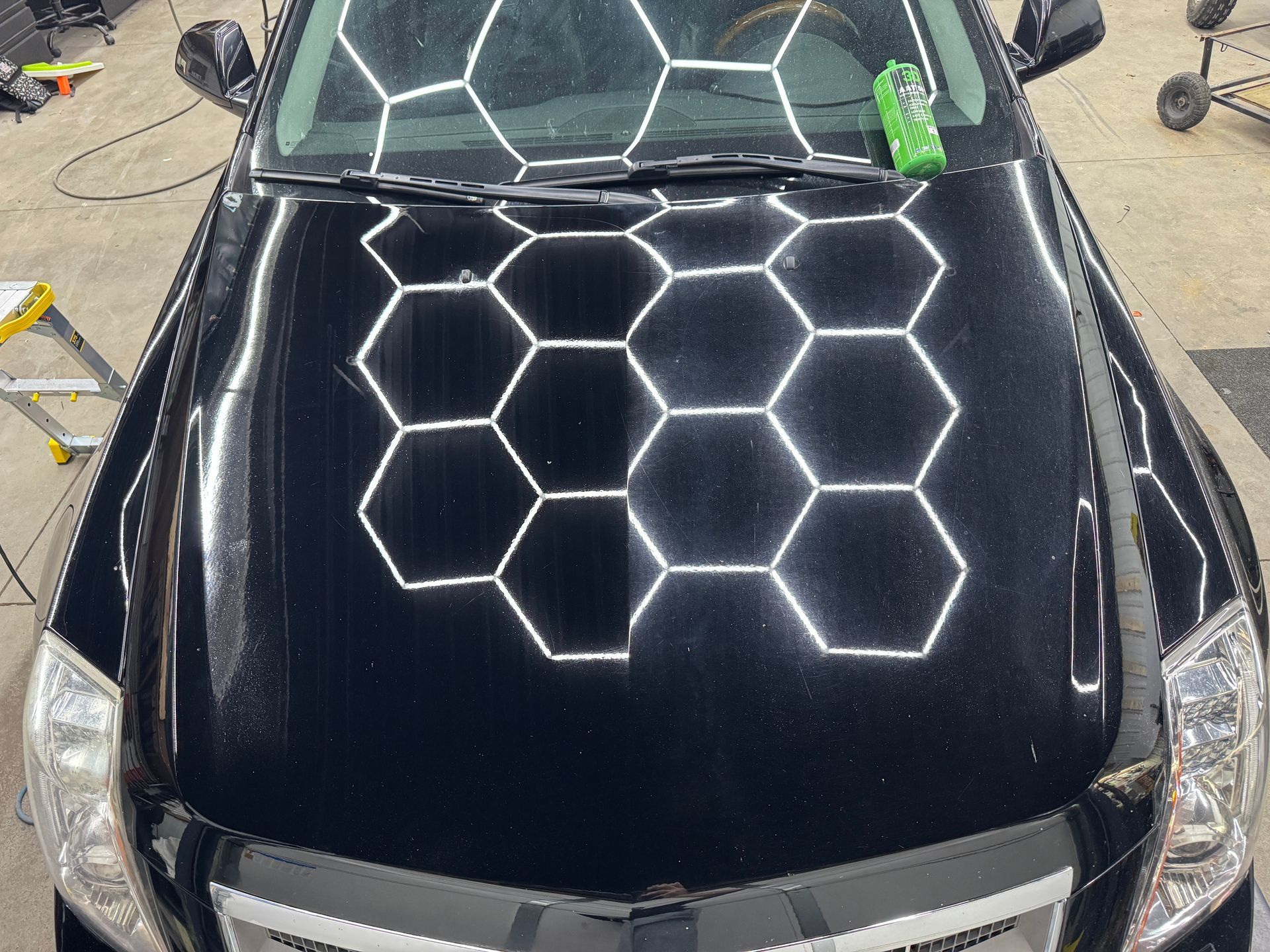
Fresh paint with light dust may only need a careful wash and decontamination. Paint with swirl marks, water spots, oxidation, or stuck-on tar and bug residue needs more attention before it's ready. Road salt in the winter and strong sun in the summer both wear on paint, which can add to the prep list.
How Much Paint Correction It Needs
Paint correction is often the biggest swing in price, and there's a good reason for it.
A coating protects whatever is underneath it, flaws included. If the clear coat has swirl marks, the coating goes on right over them.
That's why we handle paint correction first when the paint calls for it. Correction is the step that restores gloss and reduces defects like swirls and oxidation. The coating's role is to protect that refreshed finish afterward.
Correction is done in steps, and every added step means more time on the paint:
- One-step polishing
- Two-step compounding and polishing
- Three-step cutting, polishing, and finishing
The Coating You Choose
Coatings aren't all built to last the same length of time, and the longer-lasting ones cost more.
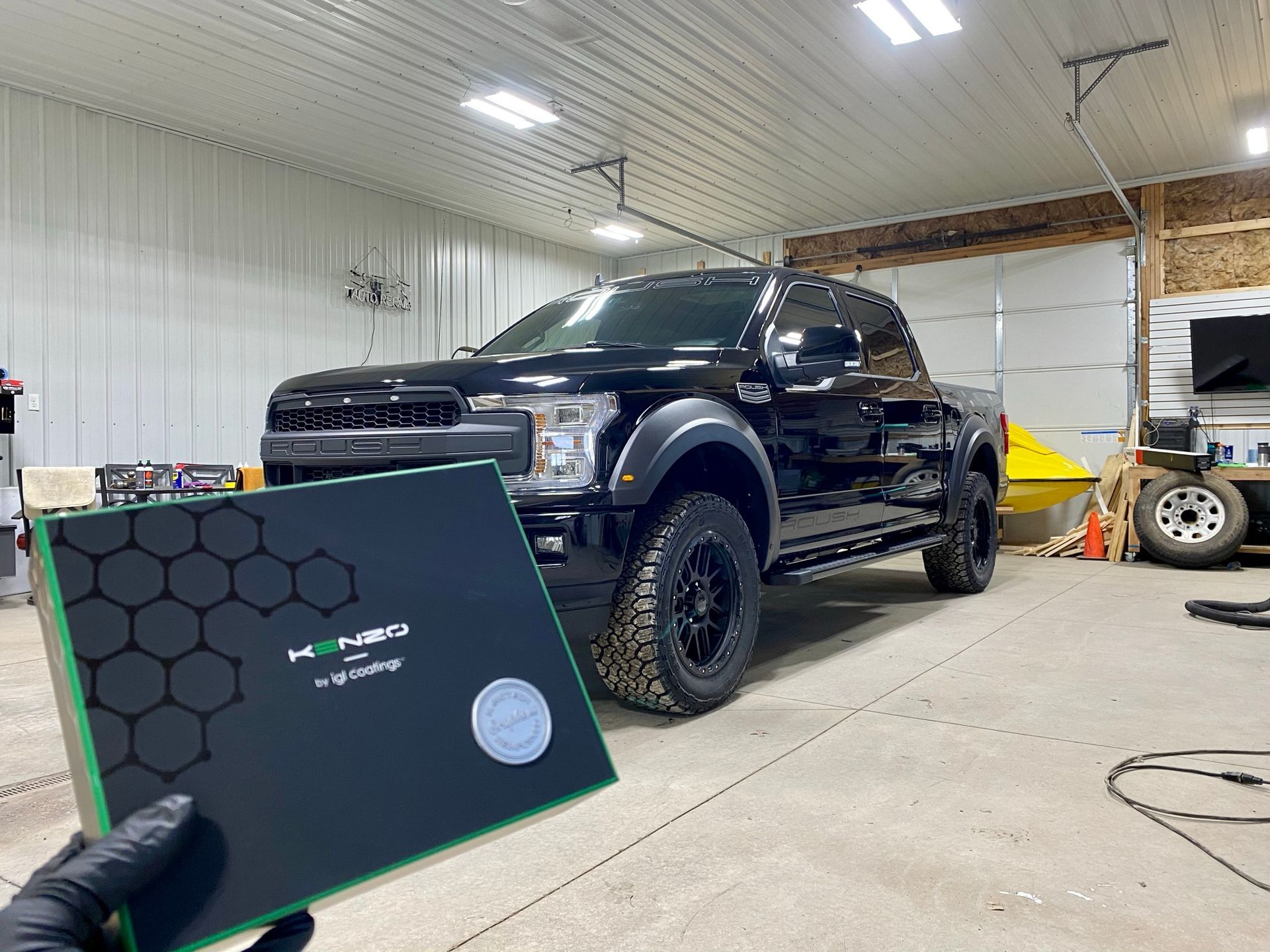
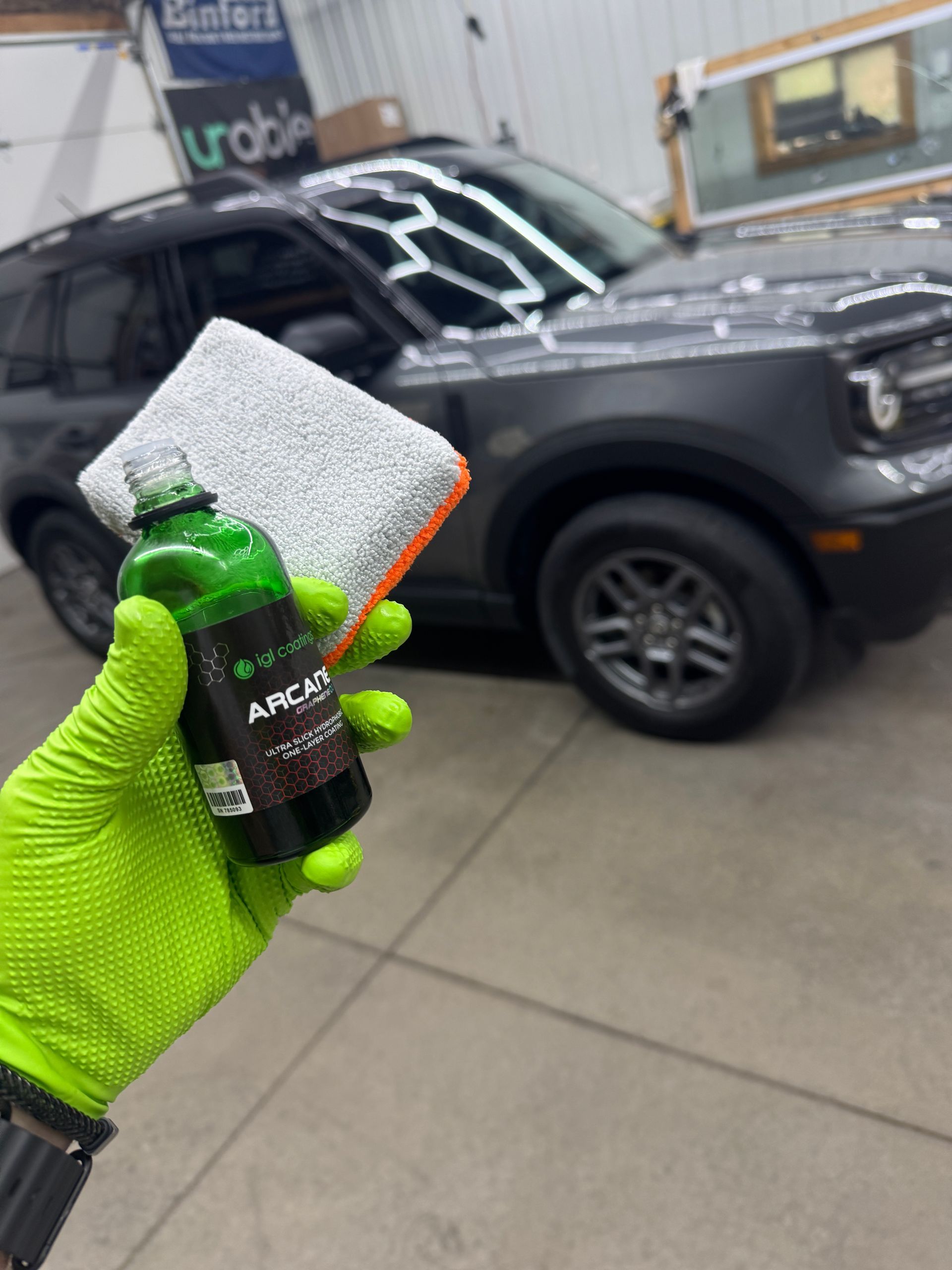
We use IGL ceramic coatings, and our packages move up from IGL Elixir to IGL Arcane to IGL Kenzo. The higher tiers are made to hold up longer, and our top package gets two coats instead of one. More coats and a more durable product both add to the price, but they also extend how long the paint stays protected.
Extra Surfaces Like Wheels and Glass
Some packages cover more than the painted panels.
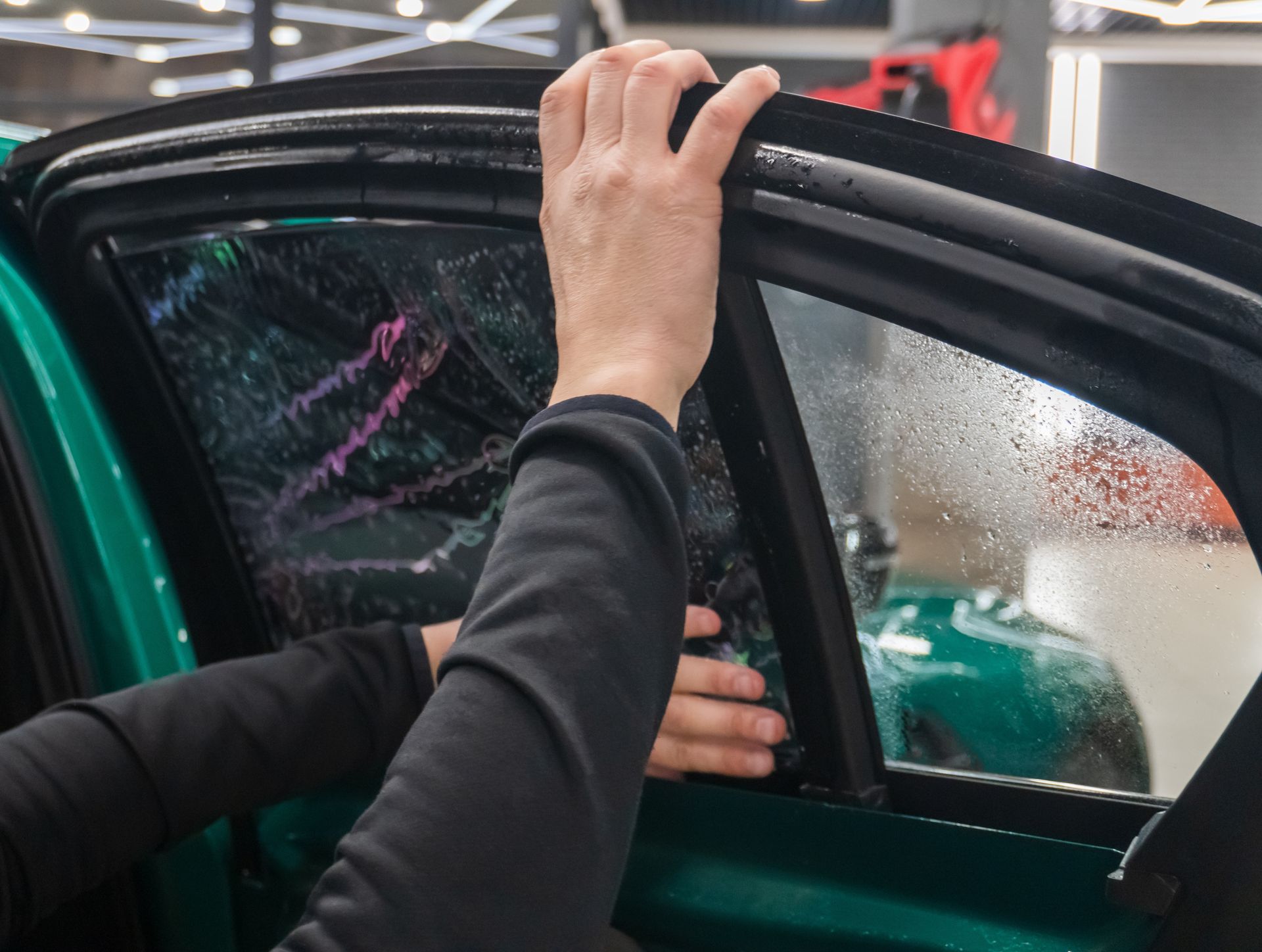
Adding the wheel faces, wheels, windshield, and windows takes extra time and product. It can be worth it, since coated surfaces are easier to clean, but each added surface shows up in the total.
Why Prep Is Where Your Money Really Goes
The part most people don't expect is how small a slice of the job the coating itself is.
A coating can only be as good as the surface it bonds to. If the decontamination is rushed, the coating bonds over leftover grime. If correction is skipped, the coating locks those swirl marks in for as long as it lasts.
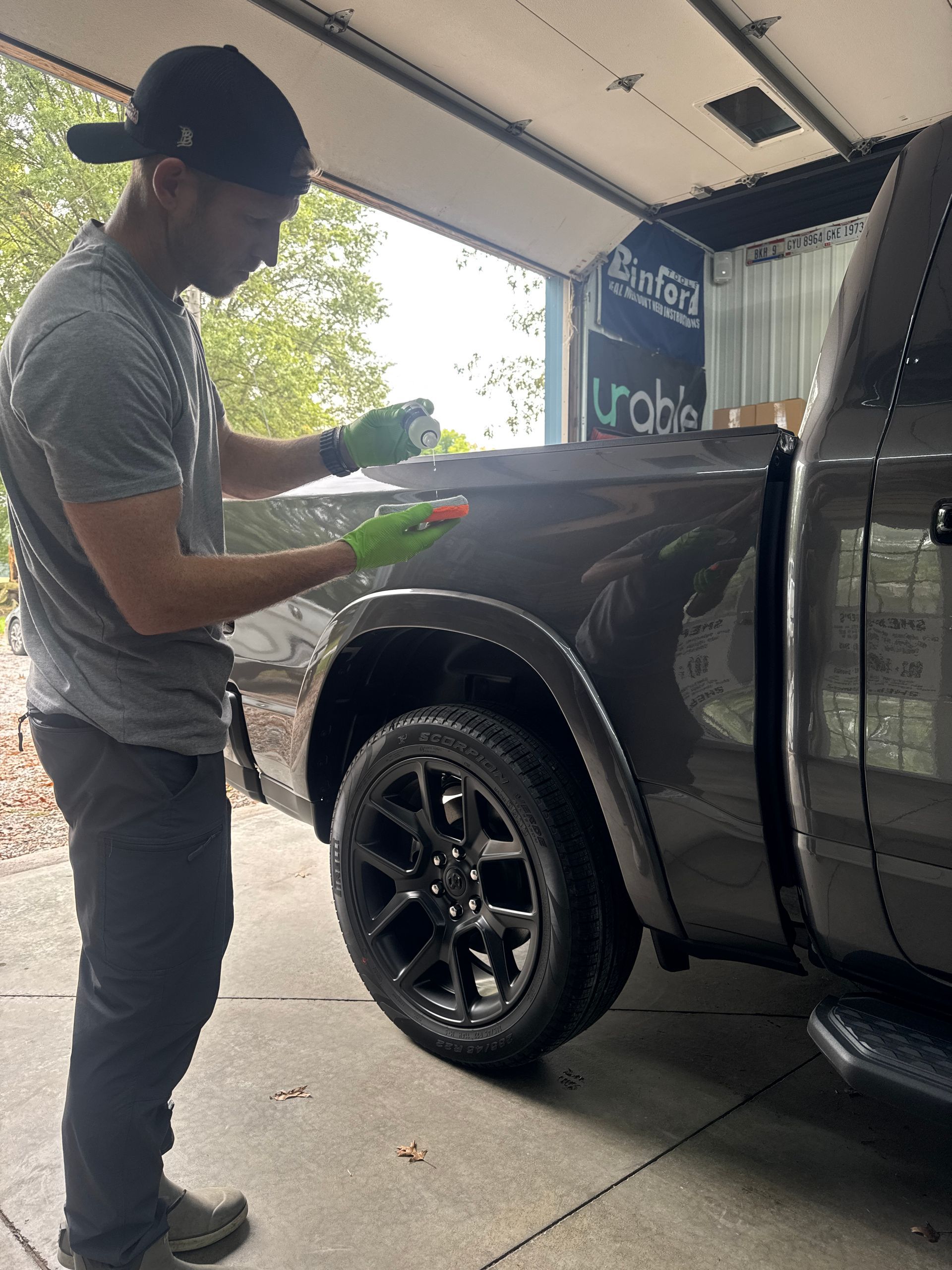
Our owner spent 11 years in a collision shop, where he ran the detailing department and worked as a prepper and painter. In that line of work, prep decides whether a finish holds up or gives out early, and coatings follow the same rule. A careful decontamination wash, the right amount of correction, and patient application section by section give a coating its best chance to last.
So when you compare quotes, you're mostly comparing prep. A much lower quote often means less time spent on that step.
How Ceramic Coating Packages Compare
Packages bundle the prep and the coating together, which makes it easier to see how price and protection line up.
Our
ceramic coating packages are set up in three stages, and each one adds more work than the one before.
| Package | What's Included | Coating | Expected Durability With Proper Care |
|---|---|---|---|
| Stage 1 | Exterior detail and a decontamination wash | One coat of IGL Elixir | About 1 year |
| Stage 2 | Exterior detail, a decontamination wash, and paint enhancement | One coat of IGL Arcane | About 3 years |
| Stage 3 | Exterior detail, a decontamination wash, one-step paint correction, wheel faces, wheels, windshield, and windows | Two coats of IGL Kenzo | Up to about 5 years |
These durability figures assume regular, gentle washing. Harsh washes, skipped upkeep, and rough winters can shorten them. Since pricing depends on the vehicle, every package is quoted based on what your car needs.
What You're Not Paying For
It helps to know what a coating is made to do, so you don't pay for something it can't deliver.
A ceramic coating adds gloss and helps paint resist UV fading and chemical contaminants like tree sap and road grime. Because the surface sheds water, keeping it clean takes less effort.
Here are a few things a coating isn't designed to do:
- Stop rock chips or road impacts
- Make paint immune to swirl marks or light marring
- Fix defects that are already in the paint
- Keep hard water from ever leaving spots
If rock chips on the hood and front bumper are your main worry, paint protection film is the product built for impact protection. We install Autobahn film, and film and a coating can be paired, with film on the high-impact areas and a coating on the rest.
Upkeep Is Part of the Budget
A coating makes the vehicle easier to keep clean, but it still needs regular care.
Plan on hand washes with a gentle soap, and skip brush car washes, since dirty brushes can mar the finish. During winter, rinse road salt off often rather than letting it sit. This kind of upkeep isn't a big expense, but it's part of owning a coated vehicle, so count it in.
If you'd like more background, our post on how ceramic coating works covers what it does day to day.
How to Avoid a Lowball Job Without Overpaying
The goal isn't the lowest price or the highest one. It's paying for the work your vehicle needs.
Signs a Quote Is Too Low
A bargain price usually means time is being cut somewhere.
Watch for these signs:
- A price that stays the same no matter what shape the paint is in
- No mention of a decontamination wash or paint correction
- Vague answers about which coating is used or how many coats go on
- Promises that sound too good, like a coating that never needs washing
Signs You Might Be Paying for More Than You Need
Overpaying can happen too, usually when the package doesn't fit how you use the vehicle.
If you plan to trade the vehicle in within a year or two, a top-tier, multi-year coating may be more than you'll get use out of. Heavy correction on paint that only needs a light polish can also add cost without much gain. An honest shop should point you to a smaller package when it makes more sense.
Setting a Realistic Budget
Your budget mostly comes down to three questions:
- How long do you plan to keep the vehicle?
- What condition is the paint in right now?
- Which surfaces do you want covered?
Once you've answered those, your car ceramic coating cost gets much easier to predict. A newer car with clean paint and a Stage 1 package sits toward the lower end. A larger truck with tired paint that needs correction and a Stage 3 package sits toward the higher end. Most vehicles land somewhere in between.
For a straight answer on your own vehicle,
reach out to us with the year, make, and model, and we'll go over the options with you.
Get a Clear Answer for Your Vehicle
Pricing makes a lot more sense once someone has looked at your paint.
Whether you're in Bucyrus, Marion, Mansfield, or somewhere close by, we're glad to talk through what your vehicle needs. Call or text us, or pick a time that fits your schedule.
Frequently Asked Questions
How much does ceramic coating cost?
It depends on your vehicle's size, how much correction the paint needs, and which coating you choose. That's why we don't list one flat price for coatings. A small sedan in good shape with an entry package will usually cost less than a full-size truck needing correction and a top-tier coating.
The fairest way to get a real number is to have the paint looked at. That lets us spot swirl marks, water spots, and other defects, then match you with a package that fits your vehicle and how long you plan to keep it.
Why do ceramic coating packages vary so much in price?
Mostly because of prep and coating choice. The entry package centers on a thorough wash, decontamination, and a single coat. Higher packages add paint enhancement or paint correction, cover the wheels and glass, and use longer-lasting coatings applied in two coats.
Each extra step adds hands-on hours, and correction in particular is slow, careful work. So when two packages look far apart in price, the gap usually comes from labor rather than the coating product itself. That's also why comparing packages by name alone doesn't tell you much, so look at what each one includes.
Is a more expensive coating always better?
Not necessarily. A longer-lasting coating makes sense if you plan to keep your vehicle for years, but it may be more than you need if you're trading it in soon. Paint condition matters as well. A high-end coating over swirled paint will still show those swirls, because the coating protects what's there instead of fixing it.
In many cases, putting money into the correction your paint needs does more for the final look than jumping straight to the top coating. Think about your plans for the vehicle, then choose the package that matches.
Is paint correction worth paying for before a coating?
For many vehicles that have been on the road a while, it's worth talking about. Correction is what restores gloss and reduces swirl marks and oxidation. The coating then protects that finish. Without correction, the coating goes on over the flaws that are already there.
That said, not every car needs heavy correction. Newer paint in good shape may only need a light polish or an enhancement pass. An in-person look at the paint shows how much correction makes sense, so you're not paying for more work than the finish needs.
Do I need to budget for paint protection film too?
Only if impact protection matters to you. A coating brings gloss and some resistance to UV fading and chemical grime, but it won't stop rock chips or other road impacts. Film is what handles that job.
One option is film on high-impact areas like the front bumper, hood, and mirrors, and a coating over everything else. If chips are a big concern, ask about film at the same time you ask about a coating. That way you can plan for both at once instead of adding one later.